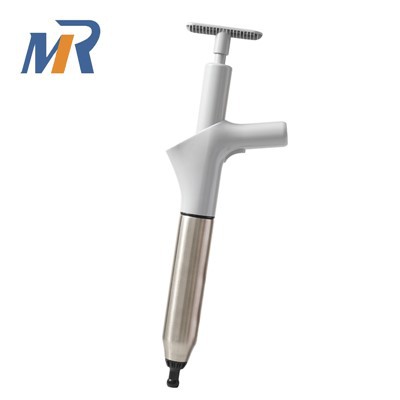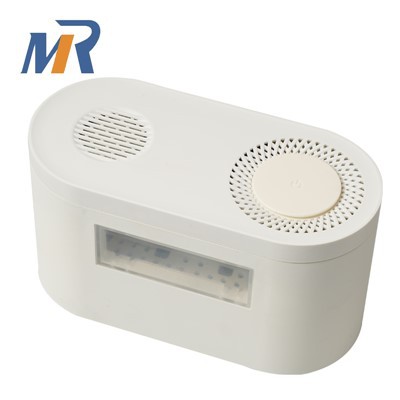

When preparing for air travel, many passengers carefully check whether their electronic devices can pass airport security. Small cleaning devices may raise questions, especially when they contain rechargeable batteries or are designed to work with liquid. One common question among travelers is: can you bring a portable ultrasonic cleaner on an airplane?
In most cases, a portable ultrasonic cleaner can be carried on a plane if it meets airline and airport security requirements. However, travelers should pay attention to battery capacity, cleaning liquid restrictions, device size, and airline-specific policies before departure.
A compact ultrasonic cleaner can be a practical travel accessory for people who want to keep personal items clean during business trips, vacations, or long journeys. Understanding the rules in advance can help avoid delays at airport security checkpoints.
How a Portable Ultrasonic Cleaner Works
A portable ultrasonic cleaner uses high-frequency sound waves to create microscopic bubbles in water or cleaning solution. These bubbles rapidly expand and collapse, producing a gentle cleaning effect that reaches small gaps and difficult areas that traditional cleaning methods may not effectively reach.
Unlike manual cleaning with brushes or cloths, ultrasonic cleaning can help remove dust, fingerprints, oil residue, and other contaminants from small personal items. This makes the technology popular for cleaning jewelry, eyeglasses, watches, dental retainers, and other everyday accessories.
For travelers, a compact model such as a Portable Ultrasonic Cleaner can provide a convenient way to maintain personal items without carrying bulky cleaning equipment.

Are Battery Powered Ultrasonic Cleaners Allowed on Airplanes?
The battery type is one of the most important factors when traveling with an electronic cleaning device. Many portable ultrasonic cleaners use rechargeable lithium-ion batteries because they provide reliable power in a compact design.
Airlines and aviation authorities generally have strict rules for lithium batteries because damaged or improperly packed batteries may create safety risks.
Before traveling, check the battery information printed on the device or included in the product manual. Important details include:
Battery type
Battery capacity measured in watt-hours (Wh)
Whether the battery is built-in or removable
Most personal electronic devices with lithium batteries under common airline limits are usually allowed in carry-on baggage. Larger batteries may require airline approval or may not be accepted.
For safer transportation:
Turn off the device before packing.
Protect the device from accidental activation.
Avoid placing loose batteries near metal objects.
Use the original protective case or a suitable travel pouch.
Carry-on luggage is often recommended for battery-powered devices because passengers and airline staff can quickly identify and manage electronic equipment if necessary.
Can You Bring Ultrasonic Cleaning Liquid on a Plane?
The cleaning solution is another important consideration when flying with an ultrasonic cleaner.
Airport security regulations usually limit the amount of liquid passengers can carry in cabin baggage. In many countries, liquids, gels, and aerosols must follow specific volume restrictions when transported through security checkpoints.
If you plan to bring cleaning solution:
Check the airport security rules for your departure location.
Use a small, properly sealed container.
Prevent leakage by placing liquids in a separate plastic bag.
Consider purchasing cleaning solution after arriving at your destination.
Many travelers choose to empty the cleaning tank before boarding and refill it later. This reduces the chance of liquid restrictions affecting the security inspection process.
If you are traveling internationally, remember that regulations may differ between countries. Always check the latest requirements from your airline and airport before your trip.
Does the Size of the Ultrasonic Cleaner Matter for Air Travel?
Size and portability also influence whether an ultrasonic cleaner is convenient to carry.
Compact ultrasonic cleaners are generally easier to pack because they can fit into carry-on luggage, backpacks, or personal bags. Larger commercial cleaning machines may not be suitable for passenger travel because of their weight and dimensions.
When choosing a travel-friendly ultrasonic cleaner, consider:
Overall device size
Weight
Battery performance
Storage requirements
Protection during transportation
A lightweight design is especially useful for frequent travelers who need to manage limited luggage space.
How to Pack a Portable Ultrasonic Cleaner for a Flight
Proper packing can make airport security inspections smoother and help protect the device from damage.
1. Clean and Dry the Device Before Packing
Before placing the ultrasonic cleaner in your luggage, remove any remaining water or cleaning solution. A dry device reduces the risk of leakage and makes transportation easier.
2. Protect the Device From Impact
Although portable ultrasonic cleaners are designed for daily use, electronic components should still be protected during travel. Place the cleaner in a padded compartment or protective bag to prevent scratches and accidental damage.
3. Keep Important Information Available
If airport security staff ask about the device, having the product manual or battery information available can make the inspection process easier.
4. Check Airline Requirements Before Departure
Different airlines may have different policies regarding electronic devices and batteries. Checking directly with your airline before traveling is the safest way to avoid unexpected problems.

Why Travelers Choose Portable Ultrasonic Cleaners
Travel can expose personal items to dust, fingerprints, and everyday contamination. Glasses, watches, jewelry, and other small accessories often require regular cleaning, especially during long trips.
For business travelers, clean eyeglasses can improve comfort during meetings and presentations. For vacation travelers, a compact cleaner can help maintain jewelry and personal accessories throughout the journey.
A portable ultrasonic cleaner is especially useful because it combines convenience with effective cleaning performance. Instead of carrying multiple cleaning tools, travelers can use one compact device for different small items.
Common Questions About Traveling With Ultrasonic Cleaners
Can I Put an Ultrasonic Cleaner in My Carry-On Bag?
In many cases, yes. A small ultrasonic cleaner with an approved battery can usually be carried in hand luggage. However, passengers should confirm the latest airline and airport security requirements before flying.
Should I Remove the Battery Before Flying?
If the battery is removable, follow airline instructions regarding battery storage. If the battery is built into the device, make sure the cleaner is completely switched off and protected from accidental activation.
Can I Use an Ultrasonic Cleaner in a Hotel?
Yes. Many travelers use portable ultrasonic cleaners in hotels because they are compact and easy to operate. A small amount of water is usually enough for cleaning personal items during travel.
Is an Ultrasonic Cleaner Worth Taking on a Trip?
For travelers who frequently clean glasses, jewelry, watches, or personal accessories, a portable ultrasonic cleaner can be a useful travel companion. Its small size and versatile cleaning ability make it suitable for many travel situations.
Final Thoughts
A portable ultrasonic cleaner is generally suitable for air travel when packed correctly and used according to airline regulations. The key factors to consider are battery safety, liquid restrictions, device size, and airline policies.
Before your flight, check the requirements of your airline and departure airport. Preparing your device properly can help you enjoy a smoother travel experience while keeping your personal items clean wherever you go.
For travelers who value convenience and hygiene, a portable ultrasonic cleaner can be a practical addition to modern travel equipment