
Unblocking a clogged bathroom drain is a common household maintenance task, but handling chemical or mechanical pipe unblockers without adequate skin protection presents severe health risks. Chemical formulations designed to dissolve organic matter, grease, and hair rely on aggressive caustic or acidic agents that can cause rapid skin tissue damage, chemical burns, and allergic contact dermatitis. Determining whether you need protective gloves-and selecting the appropriate glove material-depends on the chemical composition of the unblocker, the severity of the obstruction, and the specific application method.

Chemical vs. Mechanical Unblockers: Assessing Exposure Risks
The necessity of wearing protective gloves is directly dictated by the working mechanism of the pipe unblocker being utilized. Modern drain clearing methods are broadly categorized into chemical agents and mechanical clearing devices.
1. Chemical Drain Unblockers
Chemical drain unblockers operate by launching exothermic reactions or alkaline hydrolysis to break down organic obstructions. Most commercial liquid, gel, or powder formulations contain concentrated sodium hydroxide (lye), sulfuric acid, or potassium hydroxide. When these substances come into direct contact with human skin, they instantly strip natural lipids and cause deep chemical burns.
Even minor splashes or residual drips on outer packaging can lead to severe irritation, chronic dryness, or chemical keratitis if transferred to the eyes. Therefore, wearing chemical-resistant gloves is mandatory whenever opening, pouring, or handling liquid formulations like a Bathroom Pipe Unblocker.

2. Mechanical and Pressure-Based Unblockers
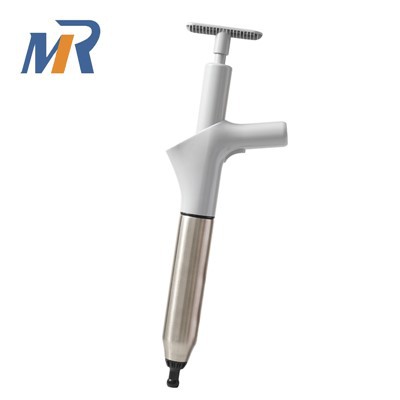
Mechanical pipe unblockers utilize physical force, compressed air, or kinetic water pressure to dislodge blockages without reliance on corrosive reagents. While mechanical tools eliminate the danger of severe chemical burns, they introduce biological hazard risks.
Bathroom wastewater pipes host dense bacterial colonies, including Escherichia coli, Enterococcus, and various fungi. When clearing a clogged waste line, backpressure frequently forces stagnant wastewater, biological residue, and decomposition microbes back up through the drain opening. Wearing protective gloves during mechanical clearance prevents microbial contamination, skin infections through micro-cuts, and exposure to foul organic waste.
Selecting the Right Protective Glove Material
Not all household gloves offer equal protection against aggressive drain-cleaning chemicals. Standard thin latex or thin plastic food-handling gloves degrade rapidly when exposed to strong acids or heavy alkalis, leading to unnoticed structural failure.
Nitrile Gloves: Nitrile offers superior puncture resistance and excellent chemical protection against alkaline solutions, oils, and general wastewater pathogens. They are the preferred standard for both home maintenance and professional plumbing tasks.
Neoprene and Heavy-Duty PVC Gloves: For highly concentrated acidic unblockers (such as industrial sulfuric acid formulations), heavy-duty neoprene or thick PVC gloves provide the highest level of chemical barrier integrity and extended immersion safety.
Standard Latex Gloves: Natural rubber latex provides adequate barrier protection against biological hazards and mild wastewater splash back, but it offers limited resistance to concentrated acidic solutions and can degrade quickly upon chemical contact.
Step-by-Step Safety Protocol for Drain Unblocking Operations
To ensure maximum personal protection and prevent physical injury during drain maintenance operations, follow this standard occupational safety workflow:
Inspect Safety Gear: Before opening any unblocker packaging, check your protective gloves for micro-tears, punctures, or physical wear. Ensure eye protection (goggles) is also worn to guard against unexpected splashes.
Ensure Room Ventilation: Open bathroom windows and turn on exhaust fans to prevent the accumulation of toxic fumes or vapor generated during the chemical reaction.
Execute Careful Pouring or Placement: Keep the bottle close to the drain opening when applying liquid unblockers to minimize splash heights. Never use a traditional plunger immediately after pouring chemical liquid into a drain, as kinetic force will cause corrosive liquid to spray outward.
Post-Clearing Decontamination: After completing the unclogging procedure, rinse the outer surface of your gloved hands under cold running water before carefully peeling the gloves off inside-out to avoid touching contaminated exterior surfaces. Dispose of used single-use gloves in sealed trash receptacles.
By adhering to rigorous personal protection protocols and wearing chemical-resistant nitrile or PVC gloves, homeowners can safely maintain clear bathroom plumbing systems while mitigating biological and chemical hazards