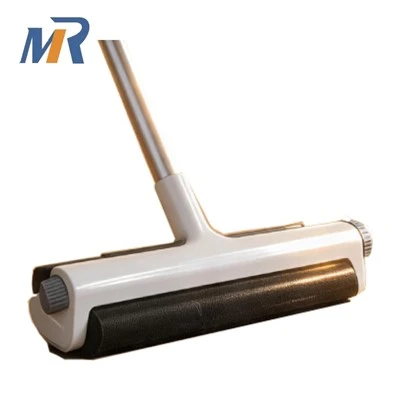
A vacuum cleaner works by having a high-speed rotating motor draw in air through the suction inlet, creating a vacuum in the dustbin. Dust is forced through the floor brush, extension tube, handle, hose, and main suction tube into the dust bag inside the dustbin. The dust is trapped inside the dust bag, and the filtered air then passes through another filter before entering the motor. This filter acts as a protective barrier against dust being drawn into the motor if the dust bag ruptures. The air exiting the motor is filtered again before leaving the vacuum cleaner due to the continuous wear of the carbon brushes during operation.
The finer the filter material, the cleaner the air will be, but the lower the air permeability. This affects the airflow drawn in by the motor and reduces the vacuum cleaner's efficiency. However, for users, comfort and cleanliness are paramount.
This type of filter material has relatively low air permeability, so it is often designed with a wavy shape to increase the airflow area. Some of these filter materials can also be washed repeatedly. All filter materials have a "lifespan," meaning that after prolonged use, the micropores of the filter material will become clogged with small dust particles. Therefore, paper dust bags are the most ideal, as they are disposable, hygienic, and convenient. Cloth dust bags tend to clump together after washing, affecting filtration and air permeability. SMS three-layer composite filter material is washable, but its air permeability is slightly lower.