
Maintaining a clear and functional plumbing system is essential for both residential and commercial properties, yet property owners frequently encounter stubborn blockages in drainage systems with extended pipe lengths. When dealing with a blocked pipe situated far from the entry point, many wonder whether a pneumatic or hydraulic cleaning device can successfully resolve the issue. As an experienced manufacturer and supplier of advanced clearing equipment, Zhejiang Meare Smart Tech Co., Limited frequently receives inquiries regarding the performance of high-pressure cleaning tools on extended pipeline networks. This guide explores the mechanics, considerations, and practical applications of utilizing a smart dredging tool or specialized unblocking device on long-run drainage systems.

Understanding the Mechanics of Modern Drain Blasters
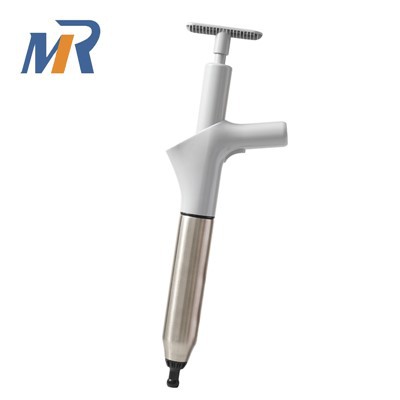
To evaluate how these tools perform over extended distances, it is vital to understand their core operational principles. A standard cleaning device utilizes a sudden, controlled release of compressed air or water stored within a sealed canister. When activated, this mechanism generates an instantaneous pressure wave designed to break apart and mobilize obstructions trapped within the pipe network.
In extended pipeline networks, however, engineers must account for pressure dissipation. As the energy wave travels further down an extended pipe, friction and distance can cause the force to diminish. To combat this limitation, modern high-end equipment incorporates advanced engineering features. Many professional-grade units feature adjustable nozzles designed to focus and optimize kinetic force for varying pipe diameters and lengths, ensuring that adequate momentum reaches deep-seated blockages.
Complex Blockage Types in Extended Pipeline Networks
Pipelines with extended runs often accumulate complex mixtures of waste over time. In residential environments, bathroom pipes frequently collect layers of hair, soap scum, and toothpaste residue, whereas kitchen lines accumulate stubborn grease and food particles. In commercial buildings, multi-floor networks experience heavy, consolidated debris buildup.
A high-powered smart dredging tool is uniquely suited to disrupt these composite clogs. By delivering an abrupt shockwave rather than steady pressure, the device shatters brittle blockages, allowing flowing water to flush the remaining residue away effortlessly.
Practical Applications in Commercial and Residential Settings
Extended drainage configurations appear frequently across various architectural layouts:
- Commercial Complexes: Large office buildings and multi-story facilities feature expansive sewer lines connecting numerous zones. Utilizing a heavy-duty pressure device allows maintenance teams to clear deep blockages without resorting to disruptive pipe disassembly.
- Residential Basements: Homes featuring lengthy bathroom waste pipes running across basements or crawlspaces benefit greatly from specialized equipment. Solutions such as a dedicated smart dredging tool are engineered to build and discharge enough force to traverse these long stretches.
- Sinks and Bathroom Lines: Extended sink runs and complex bathroom layouts prone to organic buildup can be cleared efficiently when matched with the correct pressure configurations and localized attachments.

Best Practices and Safety Precautions for Long-Run Applications
While high-pressure clearing units are remarkably effective, achieving optimal results requires adherence to safety and operational guidelines:
Pipe Integrity Verification: Prior to discharging high-pressure bursts, ensure that the plumbing infrastructure is structurally sound. Aging, corroded, or damaged pipes may fail under sudden pressure surges.
Strict Adherence to Instructions: Operators must follow manufacturer guidelines precisely, filling air or water canisters to recommended levels and selecting appropriate attachments for the specific pipe layout.
Professional Consultation: When dealing with highly complex or exceptionally fragile commercial plumbing networks, consulting a licensed plumber is always recommended to avoid potential infrastructure damage.
Conclusion
Utilizing a high-pressure cleaning device on an extended pipeline network is entirely feasible when utilizing the correct equipment and methodology. By understanding pressure dynamics, selecting appropriate attachments, and respecting structural limits, property managers and homeowners can successfully restore optimal drainage efficiency. To explore professional-grade solutions tailored to your specific infrastructure challenges, contact our expert team today to discuss your project requirements.