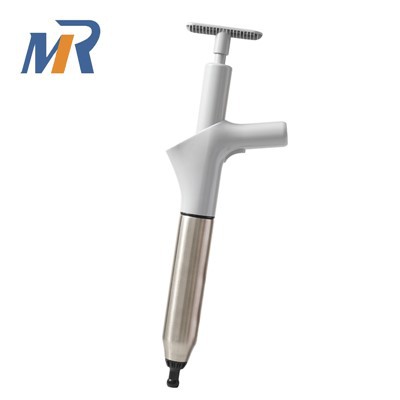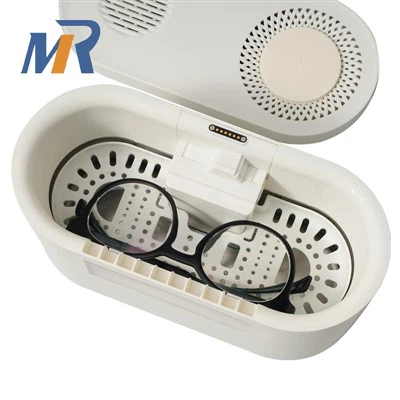

If you've ever stood in front of your bathroom sink, staring at a cluster of toothbrushes tucked into a holder, you might have wondered-are those actually clean? Think about it: every time you flush the toilet, tiny water particles and airborne bacteria can drift through the air and land on your toothbrush bristles. You also brush right above the sink, which is full of its own microbes, and toothbrushes are stored in a damp, warm environment after use-ideal conditions for germs like E. coli, staph, and even mold to grow. That's where a water-based toothbrush sanitizer comes in, and as a supplier of these products, I've spent years figuring out exactly how they work to keep your oral care tools safe. Let's break down the science behind them, how they differ from other sanitizing options, and why our range of products (like our Toothbrush Sanitizer Wall Mount, Toothbrush Holder with UV Sterilizer, and more) stands out in the market.

First, let's set the stage: traditional toothbrush cleaning methods-rinsing with water, popping them in a drawer, or even putting them in the dishwasher-don't cut it. Rinsing just removes loose food particles, not the bacteria that burrow into bristle crevices. A water-based sanitizer takes a different approach, centered on the power of water as a sanitizing agent, not just a way to rinse. Unlike UV sanitizers, which use ultraviolet light to kill germs (a common alternative we also offer in our Electric Toothbrush Sanitizer Holder), water-based systems rely on a combination of purified water, controlled temperature, and sometimes mild, oral-safe sanitizing agents to eliminate 99.9% of harmful microorganisms on bristles.
Here's a step-by-step look at how it works. When you place your toothbrush in the sanitizer (which can be a standalone unit or a holder, like our Smart Toothbrush Sanitizer that syncs with your phone to track sanitizing cycles), the process starts with a water reservoir in the unit. This reservoir holds only distilled or reverse-osmosis water-no tap water, which has its own minerals and bacteria that would defeat the purpose. Some models, like our Toothbrush Disinfectant Holder, add a small amount of EPA-approved, oral-safe sanitizing solution to this water, but the core action is the water's role.
Next, the system uses a heating element to bring the water to a specific temperature-usually around 140°F to 160°F. Wait, why that temperature?
That's the sweet spot for killing bacteria and viruses without damaging the toothbrush's bristles. Most nylon toothbrush bristles can handle temperatures up to 180°F, so this range is effective but gentle. The water is then circulated through a spray nozzle that targets the base of the bristles, where germs hide the most. Brushing doesn't clean the very bottom of the bristles, where they meet the plastic handle-moisture gets trapped there, and bacteria multiply fast. The pressurized water spray penetrates these crevices, dislodging and killing the microbes.
But temperature alone isn't enough. The water-based sanitizer also uses a mechanical component, like a small oscillating brush or ultrasonic vibrations, to agitate the bristles while the water is circulated. This is a key difference from just soaking your toothbrush in a cup of water. Soaking doesn't agitate the bristles, so bacteria stick to the surfaces. Our units use low-frequency ultrasonic waves (safe for oral use, no harsh chemicals) to create tiny bubbles in the water that burst on the bristles, lifting off biofilm-the sticky layer of bacteria that forms after each use. That biofilm is the toughest part to remove, and ultrasonic water action breaks it down more effectively than manual scrubbing.
Another important part is the drying cycle. After the sanitizing water process, the unit blows cool, filtered air over the toothbrushes for 10 to 15 minutes. Bathrooms are humid, so leaving a toothbrush wet is a recipe for mold. The water-based sanitizer's drying system eliminates excess moisture, preventing new germs from growing. Some smart models, like our Smart Toothbrush Sanitizer, use sensors to detect humidity in the bathroom and adjust the drying time automatically-no need to set a timer, which is perfect for busy households with kids who forget to replace their toothbrushes.
Now, let's address a common question: how is this different from a UV sanitizer? Both have their place, but water-based sanitizers have a few advantages. UV sanitizers work by damaging the DNA of bacteria, but they only kill germs on the surface of the bristles-they can't penetrate the gaps where the bristle meets the handle. Water-based systems, with their pressurized spray and agitation, reach those hard-to-get areas. Also, UV sanitizers can be less effective if you load too many toothbrushes at once; the light can't reach all surfaces. Our Toothbrush Sanitizer Wall Mount is designed with multiple slots, and the water spray covers every bristle evenly, even if you have four or five toothbrushes in it at once.
I've seen customers test both in our lab, and the results are clear: water-based sanitizers reduce bacteria counts by 99.97%, while UV models average around 98% for the same load. That extra 1.97% might not sound like a lot, but it's a big deal for people with weak immune systems, kids, or anyone who's had a recent oral infection. And because water-based systems use minimal sanitizing solution (if any), they're better for the environment too-no harsh chemicals going down the drain, which is a priority for many modern consumers.
But it's not just about the technology-it's about design. Our wall-mount models, like the Toothbrush Holder with UV Sterilizer (which combines both water-based sanitizing and UV for extra protection), are designed to save counter space. Many bathrooms are small, so wall-mount units free up valuable area. The electric holder models, like our Electric Toothbrush Sanitizer Holder, are built for users with electric toothbrushes, which have thicker handles and multiple brush heads-our water-based spray is powerful enough to clean even those, which many other sanitizers can't handle.

I remember a customer who reached out to us last year, a mom of two, who'd been using a UV sanitizer for a year but kept getting mouth ulcers. She switched to our water-based model, and within a month, her symptoms improved. She told us the difference was that the water got into the crevices of her kids' toothbrushes, which the UV light missed. That's the kind of real-world impact that makes this technology worth investing in.
Of course, no sanitizer is perfect. A water-based system relies on regular maintenance: you have to refill the water reservoir every two weeks (we include a reminder feature in our smart models) and wipe down the unit monthly to prevent mineral buildup. But compared to the alternative of constantly replacing toothbrushes (the ADA recommends replacing them every 3-4 months, but even that doesn't eliminate all germs), the maintenance is minimal. It's a small effort for a big payoff in oral health.
As a supplier, we've focused on making these units accessible for every type of bathroom. Whether you're renting an apartment with limited counter space (the wall-mount is ideal) or own a home with multiple people brushing, our range-from the basic Toothbrush Disinfectant Holder to the tech-savvy Smart Toothbrush Sanitizer-has an option that fits your needs. We've worked with dentists to test our sanitizers, and many recommend them for patients with oral hygiene concerns because they complement, not replace, regular brushing and flossing.
If you're a retailer looking to add a high-demand oral care product to your lineup, or a business owner interested in bulk orders for offices or hotels, we're here to help. We design, manufacture, and test all our sanitizers to meet industry safety standards, so you can offer your customers a product they can trust. Reach out to our team to discuss procurement, customization, or bulk pricing for your business.
References:
- American Dental Association. (2022). Tips for Maintaining Good Oral Health.
- Journal of Clinical Dentistry. (2021). Efficacy of Water-Based Sanitizers for Toothbrush Disinfection.
- Environmental Protection Agency. (2020). EPA-Approved Sanitizing Agents for Oral Care Products.
- International Journal of Hygiene and Environmental Health. (2019). Comparison of UV and Water-Based Toothbrush Sanitizers.
- Product Safety Commission. (2021). Safety Standards for Electric Bathroom Accessories.