Every flu season, people stock up on hand sanitizer, disinfectant wipes, and face masks - yet most overlook one of the most direct pathways for germs to enter the body: the toothbrush. Used twice a day, pressed against the gums and soft tissues of the mouth, a toothbrush that isn't properly maintained during cold and flu season can quietly work against everything else you're doing to stay healthy.
Research shows that a week-old toothbrush can carry over 100 million microorganisms on its bristles - bacteria, yeast, and viruses including influenza strains. What makes this particularly relevant during flu season isn't just the contamination itself, but how oral bacteria interact with the immune system in ways that increase vulnerability to respiratory illness. A properly used Toothbrush Sanitizer isn't a luxury add-on to your oral care routine. During flu season, it's a logical line of defense.
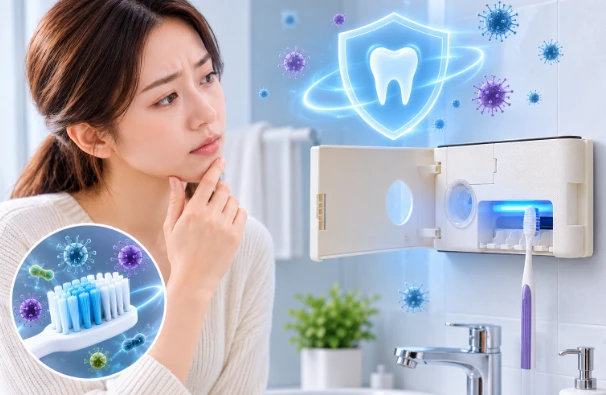
Smart Toothbrush Hygiene for a Healthier Home
Part 1: What Science Actually Says About Your Toothbrush and the Flu
Here's a fact most people find surprising: a single week-old toothbrush can harbor over 100 million microorganisms on its bristles - including Streptococcus mutans, Staphylococcus aureus, Candida albicans, and in certain environments, influenza viruses and even SARS-CoV-2.
A bathroom isn't a sterile environment. Every flush of your toilet releases a fine aerosol - known in research as "toilet plume" - that can travel up to six feet. If your toothbrush sits on the counter near the toilet, as most do, it is exposed to this spray daily.
More critically, the link between oral health and flu susceptibility is deeper than most people realize. Research from North Carolina State University, conducted in collaboration with the U.S. Centers for Disease Control and Prevention, found that harmful oral bacteria don't just cause gum disease - they actively suppress immune function. Two bacteria are particularly significant:
- Porphyromonas gingivalis delays the recruitment of neutrophils (white blood cells that are your body's first line of defense), weakens immune signaling pathways, and creates an oral environment that allows other dangerous microbes to thrive. It has been linked not only to periodontitis, but to increased susceptibility to HIV and herpes viruses.
- Streptococcus pneumoniae, commonly found in the respiratory tract and oral cavity, becomes significantly more dangerous when co-present with influenza - studies show it substantially increases the risk of severe illness and death.
In short: a contaminated toothbrush doesn't just risk reinfecting your mouth. It may be quietly weakening the immune layer that protects your entire respiratory system.
Part 2: Why Simply Rinsing Your Toothbrush Isn't Enough
The most common toothbrush hygiene habit - a quick rinse under the tap - removes visible debris, but it barely dents microbial load. Studies show that rinsing alone eliminates fewer than 60% of microorganisms on bristle surfaces. The rest remain embedded in a sticky layer called biofilm (think of it as a protective fortress that bacteria build to survive cleaning attempts).
Common household "solutions" come with their own problems:
- Boiling or microwaving can deform plastic handles and damage nylon bristles, making the brush less effective at cleaning teeth - and creating more microscopic grooves where bacteria hide.
- Soaking in mouthwash may feel thorough, but prolonged exposure can degrade bristle quality, and cross-dipping multiple brushes in the same cup achieves the opposite of sanitation.
- UV light devices of uncertain quality exist, but wavelength precision matters enormously - only UV-C light in the 253–280 nm range reliably disrupts microbial DNA. Devices that don't specify this range may provide little more than a blue glow and false confidence.
This is precisely where a purpose-engineered Toothbrush Sanitizer earns its place in your daily routine.
Part 3: What a Smart Toothbrush Sanitizer Actually Does
A properly designed Smart Toothbrush Sanitizer uses UV-C light at the clinically validated wavelength range to physically break apart the DNA and RNA of bacteria and viruses on bristle surfaces, rendering them unable to reproduce. No chemicals. No heat damage. No residue. When built to specification, independent laboratory tests consistently show kill rates of 99.9% across tested pathogens in cycles as short as 3–10 minutes.
For families, this matters even more. When one person in a household falls ill, their brush becomes a contamination risk for anyone sharing a bathroom. A Smart Toothbrush Sanitizer that accommodates multiple brush heads - with individual compartments that prevent cross-contact - solves a problem that most families don't address until it's too late.
Consider this practical scenario: a child brings home the flu on a Tuesday. By Thursday, they feel recovered. If their toothbrush hasn't been sanitized, residual bacteria (which survive longer than viruses on bristle surfaces) can trigger a secondary bacterial infection even after the viral illness has passed. Dental professionals increasingly recommend that toothbrushes be sanitized during illness - not just replaced after.
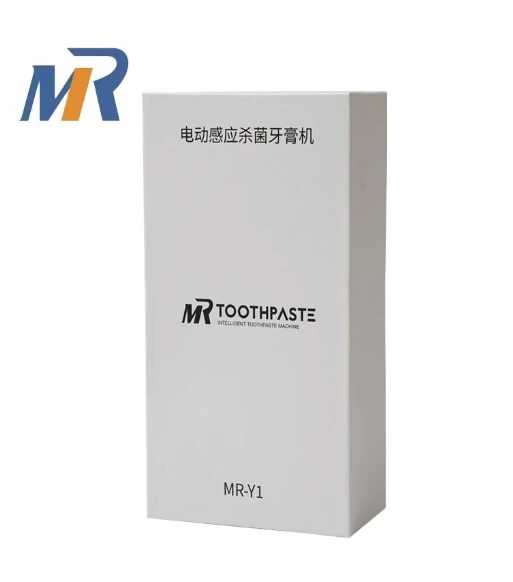
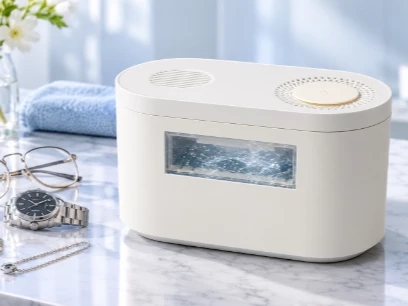
Meare Smart Toothbrush Sanitizer
Part 4: Building Your Flu-Season Oral Defense Protocol
Oral hygiene is a recognized but underutilized component of flu prevention. Here's a practical, evidence-informed daily routine:
During flu season (prevention mode):
- Run your toothbrush through a UV-C sanitizer after each use, or at minimum once daily
- Store brushes upright in ventilated holders, at least four feet from the toilet
- Keep individual brush holders for each family member - never store heads in contact with each other
- Replace brushes every 3–4 months, or at the change of each season
If you or a family member gets sick:
- Begin sanitizing the sick person's brush immediately - don't wait until recovery
- Isolate that brush in a separate holder from the rest of the household
- After bacterial infections (strep throat, secondary pneumonia), replace the brush entirely within 24 hours of feeling better
- For viral flu, sanitizing is sufficient in most cases - your immune system builds antibodies that reduce reinfection risk
Year-round oral immune support:
- Maintain regular brushing and flossing to reduce populations of immune-suppressing bacteria like P. gingivalis
- Schedule professional cleanings twice a year - biofilm below the gumline cannot be removed by brushing alone
- Stay hydrated, as dry mouth (a common flu symptom and side effect of flu medications) increases bacterial growth in the oral cavity
A Manufacturing Partner Built for This Category: Zhejiang Meare Smart Tech
If you're a brand, retailer, or distributor looking to bring a toothbrush sanitizer product to market - or expand an existing oral care line - Zhejiang Meare Smart Tech Co., Limited offers a compelling manufacturing foundation.
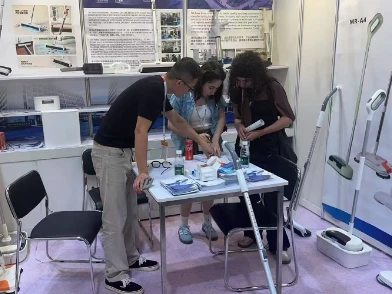
Founded in 2018 and headquartered in Jiangshan, Zhejiang Province, Meare Smart Tech operates a 22,000-square-meter production facility with a team of over 80 professionals across engineering, production, and quality control. The company's roots trace back to Jiaxing Dingxiang Mould Co. (est. 2007), giving it over 15 years of precision mold-making and injection molding expertise - the kind of manufacturing depth that directly determines product durability and long-term performance.
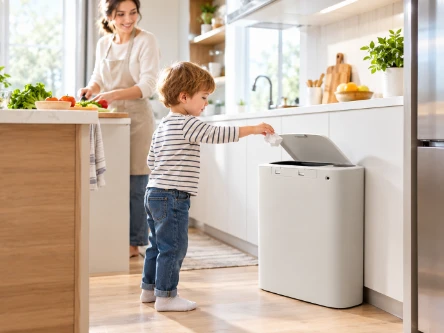
Their product portfolio includes smart sensor trash cans, electric mops, handheld vacuums, and ultrasonic cleaning devices, with cumulative independent R&D on more than ten product lines and multiple registered patents covering inventions, designs, and utility models.
For international buyers, Meare Smart Tech supports full OEM customization:
- Color and appearance - adapt any existing product to your brand palette and retail packaging requirements
- Logo and branding - full private labeling with sample lead time of 7–15 days for color/logo changes
- Co-development and new tooling - for brands that want to design an entirely new product, Meare Smart Tech offers joint R&D and new mold development, with a full-tooling cycle of 45–60 days. This means you're not choosing from a catalog - you're building a product from the ground up with an experienced engineering team
Standard MOQ is 500 units. Production runs on a make-to-order basis with a standard lead time of 20–30 days from order to shipment. Certifications held include ISO 9001:2015, ISO 14001:2015, CE (EMC/LVD/RoHS), FCC, PSE (Japan), and KC (Korea) - covering the key regulatory requirements for North American, European, and Asia-Pacific markets.
Third-party inspection, video inspection, and on-site factory inspection are all supported.

Custom Products for Japanese Brands by Meare
Conclusion: Small Habit, Significant Difference
Flu season brings heightened awareness around hand hygiene, vaccination, and surface disinfection - all important. But your toothbrush, pressed directly against your oral mucosa twice daily, is one of the most direct pathways between environmental pathogens and your body's immune system.
Three actions you can take today:
- Move your toothbrush holder at least four feet away from the toilet
- Invest in a UV-C toothbrush sanitizer - prioritize devices that specify the 253–280 nm wavelength range
- Replace your brush at the start of flu season and again after any significant illness
For brands and buyers looking to build or expand in the oral care category, Meare Smart Tech offers the manufacturing expertise, certification coverage, and OEM flexibility to bring a credible product to market - from concept to container.
FAQ: Common Questions About Toothbrush Hygiene During Flu Season
Q1: Do I need to throw away my toothbrush after getting the flu?
Not necessarily. For viral illnesses like influenza, your immune system develops antibodies that significantly reduce reinfection risk from residual viral particles. However, if you've had a bacterial infection - such as strep throat - replacing your toothbrush after completing your antibiotic course is strongly recommended, as bacteria survive longer on bristles and can more easily trigger reinfection.
Q2: How often should I sanitize my toothbrush?
Daily sanitization is ideal during flu season, particularly if you share a bathroom with others. At minimum, sanitize your brush whenever someone in your household is ill, and perform a weekly deep-clean routine for the rest of the year.
Q3: Can a toothbrush really transmit the flu between family members?
Directly sharing toothbrushes is a clear transmission risk - this should never happen. Indirect transmission via shared holders where bristles make contact is also a concern. While toothbrushes are not the primary transmission route for flu (respiratory droplets are), they represent an avoidable risk that takes seconds to address.
Q4: Is UV-C sanitization safe for the toothbrush itself?
Yes, when used as directed. UV-C light targets microbial DNA, not plastic or nylon. Quality devices are engineered with auto-shutoff timers to prevent overexposure. Unlike boiling or microwaving, UV-C sanitization does not deform bristles or compromise brushing effectiveness.
Q5: Does rinsing with mouthwash after brushing sanitize my toothbrush?
Rinsing your mouth with antimicrobial mouthwash is beneficial for oral health, but it does not effectively sanitize your toothbrush. Briefly passing the brush through mouthwash is insufficient to reach the bacteria embedded deep in bristle clusters. For meaningful microbial reduction, a dedicated soak of at least 60 seconds in high-alcohol or chlorhexidine-based rinse is needed - and even then, it doesn't match the kill rates achieved by properly calibrated UV-C devices.
For OEM partnership inquiries, product co-development, or factory information, contact Zhejiang Meare Smart Tech Co., Limited.